


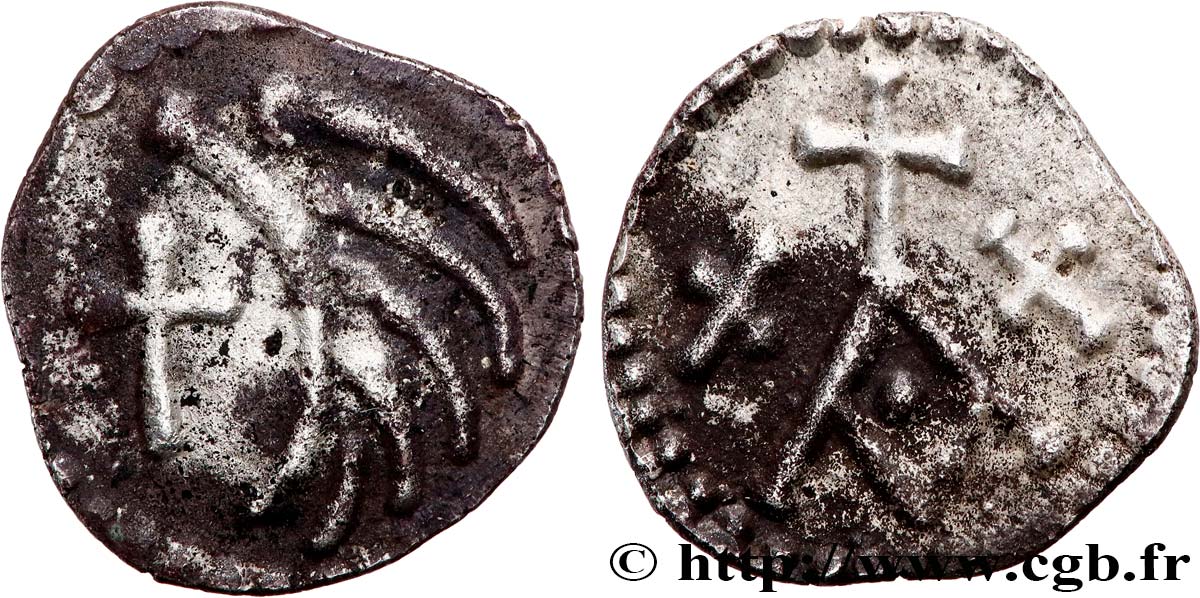
bmv_733314 - ENGLAND - ANGLO-SAXONS Sceat au porc-épic et à l’A croiseté
недоступный.
Товар уже продан в нашем интернет-магазине (2022)
Цена: : 280.00 €
Товар уже продан в нашем интернет-магазине (2022)
Цена: : 280.00 €
Тип Sceat au porc-épic et à l’A croiseté
Дата: c. 695-740
Монетный двор / Город: Atelier indéterminé
Металл: silver
Диаметр: 13,50 mm
Ориентация осей монеты: 3 h.
Вес: 1,09 g.
Редкость: R3
Комментарии о состоянии
Flan large et irrégulier mais bien centré. Patine tachée
Ссылки в каталоге: :
Лицевая сторона
Аверс: легенда: ANÉPIGRAPHE.
Аверс: описание: Tête très stylisée à droite, composée d’un croissant vertical et des mèches de cheveux hirsutes en arrière ; une croisette en guise de visage.
Обратная сторона
Реверс: легенда: ANÉPIGRAPHE.
Реверс: Описание: Grand A croiseté, entre deux croisettes.
Комментарий
S’il est possible de reconnaitre une extrême simplification de types plus traditionnels au droit, le revers présente un A croiseté. Si le A croiseté est assez largement représenté dans le monnayage mérovingien, il est très rare dans le monnayage anglo-saxon (notons cependant la monnaie W100 reproduite par T. Abramson avec un A croiseté décrit comme un monogramme de Marseille et considéré comme un denier “anglo-merovingien” de la série W).
S’agit-il d’une frappe mérovingienne s’inspirant d’un sceat. Faut-il rappeler que les sceat circulaient largement dans toute la Gaule ? Ou alors s’agit-il d’un sceat reprenant un type de revers typiquement mérovingien ?
Quoi qu’il en soit, ce denier ou sceat semble manquer à toutes les publications sur le sujet.
While it is possible to recognize an extreme simplification of more traditional types on the obverse, the reverse presents a crossed A. While the crossed A is quite widely represented in Merovingian coinage, it is very rare in Anglo-Saxon coinage (note, however, the W100 coin reproduced by T. Abramson with a crossed A described as a monogram of Marseille and considered an “Anglo-Merovingian” denarius from the W series). Is this a Merovingian strike inspired by a sceat? Should we recall that sceat circulated widely throughout Gaul? Or is it a sceat reproducing a typically Merovingian reverse type? In any case, this denarius or sceat seems to be missing from all publications on the subject
S’agit-il d’une frappe mérovingienne s’inspirant d’un sceat. Faut-il rappeler que les sceat circulaient largement dans toute la Gaule ? Ou alors s’agit-il d’un sceat reprenant un type de revers typiquement mérovingien ?
Quoi qu’il en soit, ce denier ou sceat semble manquer à toutes les publications sur le sujet.
While it is possible to recognize an extreme simplification of more traditional types on the obverse, the reverse presents a crossed A. While the crossed A is quite widely represented in Merovingian coinage, it is very rare in Anglo-Saxon coinage (note, however, the W100 coin reproduced by T. Abramson with a crossed A described as a monogram of Marseille and considered an “Anglo-Merovingian” denarius from the W series). Is this a Merovingian strike inspired by a sceat? Should we recall that sceat circulated widely throughout Gaul? Or is it a sceat reproducing a typically Merovingian reverse type? In any case, this denarius or sceat seems to be missing from all publications on the subject
Историческая справка
ENGLAND - ANGLO-SAXONS
(7th - 8th centuries)
If the minting of these coins is to be located at the beginning of the 8th century, in Great Britain, it is not exceptional to find them in Gaul. They are often confused with Merovingian silver coins (cf. MONNAIES XIX, n° 503, sceattas c. 680-710, classified in Merovingian denier of Laon). During the 8th century, the style of these pieces is more and more degenerated, they are often in ridge or filled. These coins disappeared from circulation in the second half of the 8th century.
 Cообщить об ошибке
 Распечатать страницу
 Отправить мой выбор
 Задать вопрос
 Consign / sell
ПОХОЖИЕ ТОВАРЫ

 Информация


Your Recently Viewed Items

LOUIS XIII Double tournois 1637 Vallée du Rhône VF
22.00 €
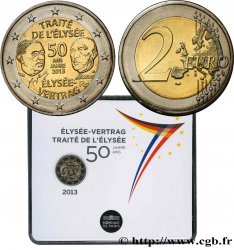
FRANCE Coin-Card 2 Euro 50 ANS DU TRAITÉ DE L'ÉLYSÉE 2013 Brilliant Uncircula
30.00 €
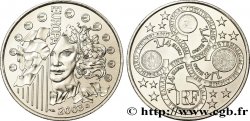
FRANCE 1/4 Euro EUROPA - PREMIER ANNIVERSAIRE DE L'EURO 2003 Brilliant Uncircula
16.00 €
cgbfr.com для нумизматов


