


Live auction - fme_920235 - V REPUBLIC Médaille, Place de la Concorde à Paris, refrappe

Чтобы принять участие в торгах, вы должны войти в систему и стать подтвержденным участником аукциона. Войдите, чтобы сделать ставку. Ваш аккаунт будет подтвержден в течение 48 часов. Не ждите до закрытия торгов, чтобы зарегистрироваться.Сделав ставку на данный товар, вы вступаете в юридическое соглашение на покупку выбранного товара и нажатием кнопки «Сделать ставку» подтверждаете принятие вами условий интернет-аукционов cgb.fr.
Ставка может бить сделана только в полном эквиваленте евро. Торги закроются согласно времени, указанному в описании товара, все ставки, сделанные после закрытия торгов, учитываться не будут. Не следует откладывать предложение вашей ставки до последнего момента, так как система может не успеть обработать вашу заявку, и ваша ставка не будет принята. Более детальную информацию вы найдёте здесь: FAQ по интернет-аукционам.
Все ставки победителей подлежат комиссии 18%.
Все ставки победителей подлежат комиссии 18%.
| Оценить : | 100 € |
| Цена : | Нет ставки |
| Максимальная предлагаемая цена : | Нет ставки |
| Конец торгов : | 25 August 2026 20:27:21 |
Тип Médaille, Place de la Concorde à Paris, refrappe
Дата: (1976)
Монетный двор / Город: 75 - Paris
Металл: bronze
Диаметр: 77,5 mm
Ориентация осей монеты: 12 h.
Гравер BOYER Janine (1935-2018)
Вес: 242,99 g.
Век: lisse + corne d’abondance double
Пуансон: corne d’abondance
Ссылки в каталоге: :
Лицевая сторона
Аверс: легенда: ANÉPIGRAPHE.
Аверс: описание: Vue d’une des deux fontaines de la place Concorde.
Обратная сторона
Реверс: легенда: PLACE LOUIS XV CRÉÉE ENTRE 1757 ET 1775 PAR JACQUES-ANGE GABRIEL / PLACE DE LA CONCORDE DEPUIS 1795.
Реверс: Описание: Vue de la place Concorde, avec l’obélisque.
Комментарий
Médaille conservée dans une boîte cartonnée bleue.
Cet ensemble monumental est, au point de vue de l'aménagement urbain, la plus importante création du Siècle des Lumières dans la capitale. Il exprime un moment privilégié dans l'évolution du goût français : celui qui voit, vers le milieu du xviiie siècle, le déclin du style rocaille et la naissance d'un nouveau classicisme dont Ange-Jacques Gabriel, son architecte, et Edme Bouchardon, le sculpteur de la statue équestre de Louis XV érigée au centre de la place et détruite à la Révolution, sont parmi les pionniers.
Sa dénomination a changé de nombreuses fois, traduisant l'instabilité des régimes politiques de la France depuis 1789 et une série d'événements joyeux, tragiques ou glorieux, certains d'une grande portée historique, qui se sont déroulés sur son sol. Elle s'est appelée place Louis XV, puis place de la Révolution après le 10 août 1792, place de la Concorde sous le Directoire, le Consulat et l'Empire, à nouveau place Louis XV puis place Louis XVI sous la Restauration, place de la Charte en 1830, pour reprendre enfin sous la Monarchie de Juillet le nom de place de la Concorde. De même les monuments qui ont orné ou auraient dû orner son centre : statue équestre de Louis XV, statue de la Liberté, statue de Louis XVI, obélisque de Louqsor.
Les aménagements, modestes sous la Révolution (installation des chevaux de Marly en 1794), ont été importants sous la Monarchie de Juillet (en 1836, érection de l'obélisque, travaux d'embellissement de Hittorff : les deux fontaines, les statues des huit principales villes de France (les huit « matrones » vêtues à la grecque et couronnées de tours, leurs socles logeant des fonctionnaires et leur famille en attendant l'érection des statues1), les lampadaires et les colonnes rostrales). Le Second Empire supprima les fossés pour améliorer la circulation. Le dernier aménagement sur le plan de l'architecture a été en 1931 la disparition de l'hôtel Grimod de La Reynière, construit en 1775 dans le respect de l'ordonnance de Gabriel, mais défiguré au fil du temps par des adjonctions successives, et son remplacement par l'ambassade des États-Unis dans le respect du projet originel. Depuis 1937, aucun changement notable ne peut plus affecter la place qui est classée dans son ensemble. Signalons un dernier embellissement en 1998, à l'initiative de l'égyptologue Christiane Desroches Noblecourt, la mise en place du pyramidion doré de l'obélisque..
Medal preserved in a blue cardboard box.
This monumental ensemble is, from the point of view of urban planning, the most important creation of the Age of Enlightenment in the capital.. It expresses a privileged moment in the evolution of French taste: the one which saw, towards the middle of the 18th century, the decline of the Rococo style and the birth of a new classicism of which Ange-Jacques Gabriel, its architect, and Edme Bouchardon, the sculptor of the equestrian statue of Louis XV erected in the centre of the square and destroyed during the Revolution, were among the pioneers..
Its name has changed many times, reflecting the instability of France's political regimes since 1789 and a series of joyful, tragic or glorious events, some of great historical significance, which have taken place on its soil.. It was called Place Louis XV, then Place de la Révolution after August 10, 1792, Place de la Concorde under the Directory, the Consulate and the Empire, again Place Louis XV then Place Louis XVI under the Restoration, Place de la Charte in 1830, to finally take back under the July Monarchy the name Place de la Concorde. Likewise the monuments which have adorned or should have adorned its center: equestrian statue of Louis XV, Statue of Liberty, statue of Louis XVI, obelisk of Luxor.
The improvements, modest during the Revolution (installation of the Marly horses in 1794), were significant under the July Monarchy (in 1836, erection of the obelisk, embellishment works by Hittorff: the two fountains, the statues of the eight main cities of France (the eight \\\"matrons\\\" dressed in Greek style and crowned with towers, their bases housing officials and their families while awaiting the erection of the statues1), the lampposts and the rostral columns). The Second Empire removed the ditches to improve traffic flow. The last architectural development was in 1931 the disappearance of the Grimod de La Reynière hotel, built in 1775 in accordance with Gabriel's ordinance, but disfigured over time by successive additions, and its replacement by the United States Embassy in accordance with the original project.. Since 1937, no significant changes can affect the place which is classified as a whole. Let us mention a final embellishment in 1998, at the initiative of the Egyptologist Christiane Desroches Noblecourt, the installation of the golden pyramidion of the obelisk.
Cet ensemble monumental est, au point de vue de l'aménagement urbain, la plus importante création du Siècle des Lumières dans la capitale. Il exprime un moment privilégié dans l'évolution du goût français : celui qui voit, vers le milieu du xviiie siècle, le déclin du style rocaille et la naissance d'un nouveau classicisme dont Ange-Jacques Gabriel, son architecte, et Edme Bouchardon, le sculpteur de la statue équestre de Louis XV érigée au centre de la place et détruite à la Révolution, sont parmi les pionniers.
Sa dénomination a changé de nombreuses fois, traduisant l'instabilité des régimes politiques de la France depuis 1789 et une série d'événements joyeux, tragiques ou glorieux, certains d'une grande portée historique, qui se sont déroulés sur son sol. Elle s'est appelée place Louis XV, puis place de la Révolution après le 10 août 1792, place de la Concorde sous le Directoire, le Consulat et l'Empire, à nouveau place Louis XV puis place Louis XVI sous la Restauration, place de la Charte en 1830, pour reprendre enfin sous la Monarchie de Juillet le nom de place de la Concorde. De même les monuments qui ont orné ou auraient dû orner son centre : statue équestre de Louis XV, statue de la Liberté, statue de Louis XVI, obélisque de Louqsor.
Les aménagements, modestes sous la Révolution (installation des chevaux de Marly en 1794), ont été importants sous la Monarchie de Juillet (en 1836, érection de l'obélisque, travaux d'embellissement de Hittorff : les deux fontaines, les statues des huit principales villes de France (les huit « matrones » vêtues à la grecque et couronnées de tours, leurs socles logeant des fonctionnaires et leur famille en attendant l'érection des statues1), les lampadaires et les colonnes rostrales). Le Second Empire supprima les fossés pour améliorer la circulation. Le dernier aménagement sur le plan de l'architecture a été en 1931 la disparition de l'hôtel Grimod de La Reynière, construit en 1775 dans le respect de l'ordonnance de Gabriel, mais défiguré au fil du temps par des adjonctions successives, et son remplacement par l'ambassade des États-Unis dans le respect du projet originel. Depuis 1937, aucun changement notable ne peut plus affecter la place qui est classée dans son ensemble. Signalons un dernier embellissement en 1998, à l'initiative de l'égyptologue Christiane Desroches Noblecourt, la mise en place du pyramidion doré de l'obélisque..
Medal preserved in a blue cardboard box.
This monumental ensemble is, from the point of view of urban planning, the most important creation of the Age of Enlightenment in the capital.. It expresses a privileged moment in the evolution of French taste: the one which saw, towards the middle of the 18th century, the decline of the Rococo style and the birth of a new classicism of which Ange-Jacques Gabriel, its architect, and Edme Bouchardon, the sculptor of the equestrian statue of Louis XV erected in the centre of the square and destroyed during the Revolution, were among the pioneers..
Its name has changed many times, reflecting the instability of France's political regimes since 1789 and a series of joyful, tragic or glorious events, some of great historical significance, which have taken place on its soil.. It was called Place Louis XV, then Place de la Révolution after August 10, 1792, Place de la Concorde under the Directory, the Consulate and the Empire, again Place Louis XV then Place Louis XVI under the Restoration, Place de la Charte in 1830, to finally take back under the July Monarchy the name Place de la Concorde. Likewise the monuments which have adorned or should have adorned its center: equestrian statue of Louis XV, Statue of Liberty, statue of Louis XVI, obelisk of Luxor.
The improvements, modest during the Revolution (installation of the Marly horses in 1794), were significant under the July Monarchy (in 1836, erection of the obelisk, embellishment works by Hittorff: the two fountains, the statues of the eight main cities of France (the eight \\\"matrons\\\" dressed in Greek style and crowned with towers, their bases housing officials and their families while awaiting the erection of the statues1), the lampposts and the rostral columns). The Second Empire removed the ditches to improve traffic flow. The last architectural development was in 1931 the disappearance of the Grimod de La Reynière hotel, built in 1775 in accordance with Gabriel's ordinance, but disfigured over time by successive additions, and its replacement by the United States Embassy in accordance with the original project.. Since 1937, no significant changes can affect the place which is classified as a whole. Let us mention a final embellishment in 1998, at the initiative of the Egyptologist Christiane Desroches Noblecourt, the installation of the golden pyramidion of the obelisk.
Историческая справка
V REPUBLIC
(since 08/01/1959)
The Fifth Republic, whose constitution was approved by referendum on September 28, 1958 by more than 79% of French people, only officially began with the installation of General de Gaulle as president on January 8, 1959. The constitution was amended on January 28, 1958. October 1962 by referendum where a majority of 62% of votes approves the election of the President of the Republic by direct universal suffrage. The various presidents of the Fifth Republic are Charles de Gaulle (8/01/1959 - 27/04/1969, retirement and Alain Poher becomes interim president), Georges Pompidou (15/06/1969 - 2/04/1974, deceased , Alain Poher becomes interim president), Valéry Giscard d'Estaing (19/05/1974 - 21/05/1981), François Mitterrand (21/05/1981 - 7/05/1995), Jacques Chirac (7/05 /1995 - 05/16/2007), Nicolas Sarkozy (05/16/2007 - 05/15/2012), François Hollande (05/15/2012 - 05/14/2017) and Emmanuel Macron (05/14/2017 - ).
 Cообщить об ошибке
 Распечатать страницу
 Отправить мой выбор
 Задать вопрос
 Consign / sell
ПОХОЖИЕ ТОВАРЫ

 Информация


Your Recently Viewed Items
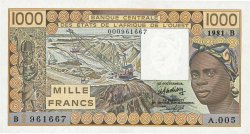
1000 Francs Fauté WEST AFRICAN STATES 1981 P.207Bb UNC-
70.00 €
cgbfr.com для нумизматов


