


v19_0968 - LOUIS XIV LE GRAND ou LE ROI SOLEIL Guy-Crescent Fagon, premier médecin du roi 1696

MONNAIES 19 (2004)
Начальная цена : 380.00 €
Назначить цену : 750.00 €
Цена реализации : 380.00 €
Количество ставок : 1
Максимальная предлагаемая цена : 495.00 €
Начальная цена : 380.00 €
Назначить цену : 750.00 €
Цена реализации : 380.00 €
Количество ставок : 1
Максимальная предлагаемая цена : 495.00 €
Тип Guy-Crescent Fagon, premier médecin du roi
Дата: 1696
Металл: silver
Диаметр: 28 mm
Ориентация осей монеты: 6 h.
Вес: 7,34 g.
Век: lisse
Редкость: R3
Комментарии о состоянии
Usure régulière avec quelques taches noires au droit dans la patine ancienne. Très bel exemplaire, bien centré
Ссылки в каталоге: :
Лицевая сторона
Аверс: легенда: GVIDO. CR. FAGON. REGI. A. S. C. ARCHIAT. COMES..
Аверс: описание: Buste de Guy-Crescent Fagon à gauche, avec perruque, robe et rabat.
Аверс: перевод: (Guido-Crescent Fagon regi a sanctioribus consiliis archiatrorum comes).
Обратная сторона
Реверс: легенда: SIC NOS SERVAVIT APOLLO. ; À L’EXERGUE EN TROIS LIGNES : M. CL. BERGER./ ITERVM DECANO/ .1696..
Реверс: Описание: Abeilles sortant d'une ruche.
Реверс: перевод: (C'est ainsi qu'Apollon nous a protégés).
Комментарий
Jeton de Claude Berger qui glorifie Fagon, l’un de ses parents. C’est le seul jeton de la série décanale qui représente un personnage autre qu’un doyen.
Guy-Crescent Fagon est né à Paris en 1638 et, devenu orphelin, est élevé par son parrain, le fameux Gui de La Brosse, médecin de Louis XIII. Dans ses études de médecine, il s’intéresse à la circulation sanguine. Il est docteur en 1664 et deviendra en 1686 médecin de l’Hôtel-Dieu. Intéressé par la botanique, il en est aussi professeur est appelé en 1668 pour être médecin de la Dauphine. Il devient ensuite médecin de la reine et s’oppose à d’Aquin. En 1693, il devient premier médecin du roi ou archiatre, chef des dix-huit médecins du roi et des chirurgiens, apothicaires, etc. Il est nommé surintendant du jardins du roi en 1699 et entre à l’Académie des sciences la même année. il continuera ses fonctions jusqu’à la mort de Louis XIV.
Token of Claude Berger that glorifies Fagon, one of his relatives. It is the only token in the decanal series that represents a person other than a dean. Guy-Crescent Fagon was born in Paris in 1638 and, orphaned, was raised by his godfather, the famous Gui de La Brosse, physician to Louis XIII. During his medical studies, he was interested in blood circulation. He received his doctorate in 1664 and in 1686 became physician at the Hôtel-Dieu. Interested in botany, he was also a professor and was called in 1668 to be physician to the Dauphine. He then became physician to the queen and opposed d'Aquin. In 1693, he became first physician to the king or archiatrist, head of the king's eighteen physicians and surgeons, apothecaries, etc. He was appointed superintendent of the king's gardens in 1699 and entered the Academy of Sciences the same year. He continued in this role until the death of Louis XIV.
Guy-Crescent Fagon est né à Paris en 1638 et, devenu orphelin, est élevé par son parrain, le fameux Gui de La Brosse, médecin de Louis XIII. Dans ses études de médecine, il s’intéresse à la circulation sanguine. Il est docteur en 1664 et deviendra en 1686 médecin de l’Hôtel-Dieu. Intéressé par la botanique, il en est aussi professeur est appelé en 1668 pour être médecin de la Dauphine. Il devient ensuite médecin de la reine et s’oppose à d’Aquin. En 1693, il devient premier médecin du roi ou archiatre, chef des dix-huit médecins du roi et des chirurgiens, apothicaires, etc. Il est nommé surintendant du jardins du roi en 1699 et entre à l’Académie des sciences la même année. il continuera ses fonctions jusqu’à la mort de Louis XIV.
Token of Claude Berger that glorifies Fagon, one of his relatives. It is the only token in the decanal series that represents a person other than a dean. Guy-Crescent Fagon was born in Paris in 1638 and, orphaned, was raised by his godfather, the famous Gui de La Brosse, physician to Louis XIII. During his medical studies, he was interested in blood circulation. He received his doctorate in 1664 and in 1686 became physician at the Hôtel-Dieu. Interested in botany, he was also a professor and was called in 1668 to be physician to the Dauphine. He then became physician to the queen and opposed d'Aquin. In 1693, he became first physician to the king or archiatrist, head of the king's eighteen physicians and surgeons, apothecaries, etc. He was appointed superintendent of the king's gardens in 1699 and entered the Academy of Sciences the same year. He continued in this role until the death of Louis XIV.
Историческая справка
LOUIS XIV THE GREAT or THE SUN KING
(14/05/1643-1/09/1715)
The reign of Louis XIV is the longest and most glorious in the history of France. Son of Louis XIII and Anne of Austria, born September 5, 1638, the third Bourbon king ascended the throne in 1643 and remained there for seventy-three years. He died on September 1, 1715, aged seventy-seven.. Between 1643 and 1661, under the regency of Anne of Austria and the ministry of Cardinal Mazarin, absolutism was built through combat: internal struggle against the Fronde, external struggle against Spain. The personal reign of Louis XIV began in 1661, when the young king decided to "govern by himself".. The absolute monarchy then reached its peak, the king being surrounded by a team of exceptional ministers: Le Tellier, Louvois, Colbert, Seignelay. This prosperous period ended during the 1680s, with the first setbacks, the revocation of the Edict of Nantes (1685), the end of the great external successes and the gradual disappearance of the entourage of the first years (Colbert died in 1683 , Le Tellier in 1685, Seignelay in 1690, Louvois in 1691). The third and last part of the reign, between 1685 and 1715, is more difficult. The aging king finds no similar collaborators. Glorious, this reign was first a warlike reign. Never has France known so many wars: the Thirty Years' War, completed with the Empire in 1648, with Spain only in 1659, War of Devolution (1667-1668), War of Holland (1672-1678), war with Spain (1684), War of the League of Augsburg (1688-1697), War of the Spanish Succession (1701-1713). She never knew more victories and more conquests: in 1648, the treaties of Westphalia gave her Alsace, in 1659, the peace of the Pyrenees, Artois and Roussillon; in 1668, by the Peace of Aix-la-Chapelle, it reached Flanders; in 1678, by the Treaty of Nijmegen, Franche-Comté. In 1681, the king annexed Strasbourg. The following decades were less happy: in 1697 (Treaty of Ryswick), France ceded Luxembourg; in 1713 and 1714 (treaties of Utrecht and Rastadt), she abandoned Acadia, a prelude to the loss of America, fifty years later. The reign of Louis XIV therefore corresponds quite exactly to the age of French preponderance in Europe: France supplanted Spain; it will soon be supplanted by England, which holds the empire of the seas and the expanses of the New World. To the glory of the victorious and conquering king is added the glory of the king administrator, legislator, protector of arts and letters. Louis XIV and his ministers gave perfection to the construction of the monarchy: the legislation was reformed, the nobility subdued, the provinces tamed, heresy overthrown, artists and writers put themselves at the service of royal power. Lex una sub uno sole: "a single law under a single sun": everything must revolve around the star-master. The whole of Europe feels the attraction and prestige of Versailles. The reality is undoubtedly less brilliant than this flattering program: the royal administration remains too small to really frame the largest and most populous kingdom in Europe; particularisms resist; the Protestants leave to enrich the enemies of France. The fact remains that it is the image of the king of glory that has imposed itself in the memories, as Louis XIV had decided and wanted it.. There lies the true triumph of this prince: for France and for Europe, for the following century and for centuries to come, for contemporaries as for posterity, he was and remains the King par excellence.. Coins and medals, which restore to us the Jupiterian profile of the great monarch, are part of this will and this success.. Louis XIV paid particular attention to them: the Grand Siècle is also a great century of numismatics.
 Cообщить об ошибке
 Распечатать страницу
 Отправить мой выбор
 Задать вопрос
 Consign / sell
ПОХОЖИЕ ТОВАРЫ

 Информация

Your Recently Viewed Items

SÉRIE MÉTALLIQUE DES ROIS DE FRANCE Règne de LOUIS XII - 57 AU
50.00 €

PORTUGAL Médaille, Les découvertes portugaises et européennes, n°2221 AU
35.00 €
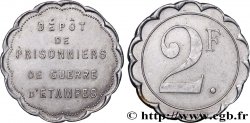
JETONS ET MONNAIES MILITAIRES 2 Francs - Dépôt des prisonniers de guerre AU
40.00 €
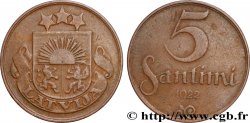
LATVIA 5 Santimi emblème variété avec nom d’atelier 1922 Huguenin, Le Locle
10.00 €
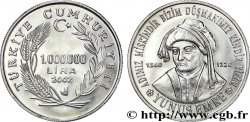
TURKEY 1.000.000 Lira le poète turc Yunus Emre (1240-1320) 2002 Istanbul MS
8.00 €

ITALIA - STATO PONTIFICIO - PIE IX (Giovanni Maria Mastai Ferretti) Médaille AR
170.00 €
cgbfr.com для нумизматов


