


Назад 1/1
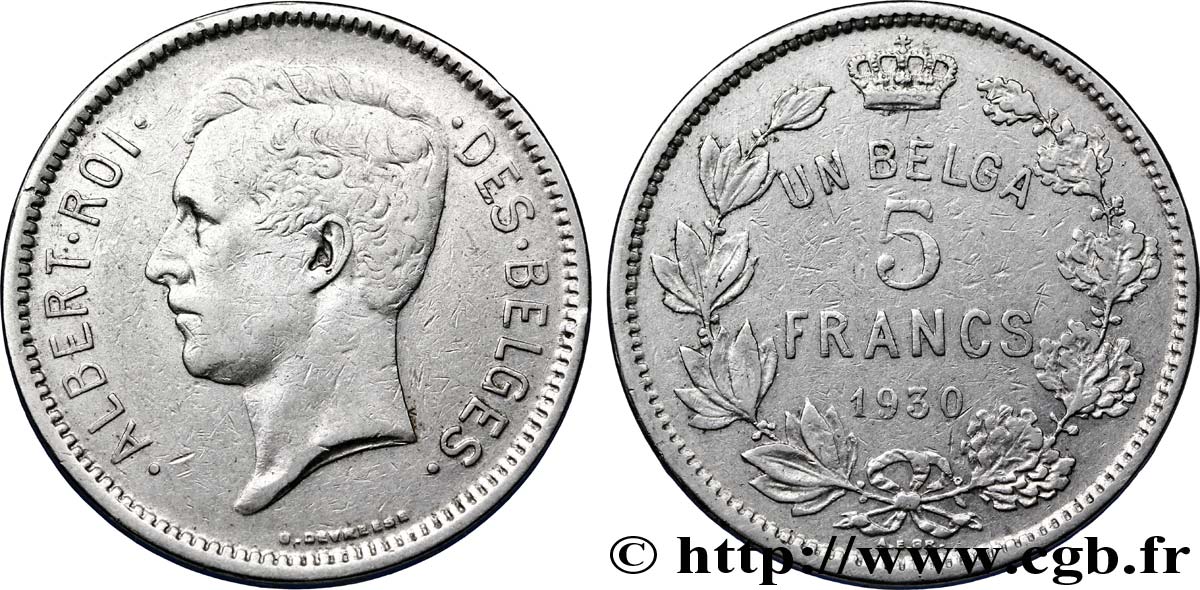
fwo_270540 - BELGIUM 5 Francs (1 Belga) Albert Ier légende Française 1930
недоступный.
Товар уже продан в нашем интернет-магазине (2012)
Цена: : 7.00 €
Товар уже продан в нашем интернет-магазине (2012)
Цена: : 7.00 €
Тип 5 Francs (1 Belga) Albert Ier légende Française
Дата: 1930
Количество отчеканенных монет: 1600000
Металл: nickel
Диаметр: 31 mm
Ориентация осей монеты: 6 h.
Век: en creux
Ссылки в каталоге: :
Лицевая сторона
Аверс: легенда: ·ALBERT·ROI· ·DES·BELGES· // G. DEVREESE.
Аверс: описание: portrait à gauche du roi Albert Ier.
Обратная сторона
Реверс: легенда: UN BELGA / 5 / FRANCS / 1930 // A.E.GR.
Реверс: Описание: dans le champ, entre un rameau de laurier à gauche et un rameau de chêne à droite.
Комментарий
C’est en 1926 que le gouvernement Jaspar, et en particulier le ministre sans portefeuille Emile Francqui, élabora un programme de stabilisation qui dévaluait le franc belge de six septièmes par rapport à sa valeur d’avant-guerre, rétablissant ainsi sa convertibilité et consolidant la dette publique.
L’introduction du belga comme nouvelle unité de compte fit partie de ce programme. Toutes les opérations de change devaient désormais être réalisées dans cette nouvelle unité monétaire afin de la dissocier clairement du franc français. En effet, la Belgique venait de se retirer de l’Union Latine, à la fin de l’année 1925, ce qui signifiait une véritable rupture monétaire avec la France.
Un belga valait 5 francs-or en 1926. Le belga fut mentionné sur les billets de la Banque nationale et de la Trésorerie à partir de 1927. Les pièces de monnaie n’apparaîtront que 3 ans plus tard. En 1930, la Monnaie royale frappa une pièce en nickel de 5 francs-1 belga. La même année, pour la célébration du centenaire de l’indépendance, une pièce en nickel de 10 francs-2 belgas fut gravée. Un an plus tard, la série fut complétée par une pièce de 20 francs-4 belgas, mais cette pièce de grand format en nickel fut mal accueillie, de sorte qu’elle reflua en masse. En 1933 enfin, les prix s’étant relativement stabilisés, une nouvelle monnaie d’argent, une pièce de 20 francs de bas titre, put être émise, cette fois sans mention de valeur en belgas.
La nouvelle unité de compte ne fut jamais acceptée ni sur les marchés des changes ni même en Belgique. Les Belges, par habitude et par facilité, ont toujours continué à compter en francs et la nouvelle appellation n’entra jamais dans les mœurs. Le belga disparut discrètement en 1946.
Source : Banque Nationale de Belgique.
It was in 1926 that the Jaspar government, and in particular the minister without portfolio Emile Francqui, drew up a stabilisation programme which devalued the Belgian franc by six-sevenths of its pre-war value, thus restoring its convertibility and consolidating the public debt..
The introduction of the belga as a new unit of account was part of this program.. All foreign exchange transactions were now to be carried out in this new monetary unit in order to clearly separate it from the French franc.. Indeed, Belgium had just withdrawn from the Latin Union at the end of 1925, which meant a real monetary break with France..
A belga was worth 5 gold francs in 1926. The belga was mentioned on the notes of the National Bank and the Treasury from 1927. Coins would not appear until 3 years later. In 1930, the Royal Mint struck a nickel coin of 5 francs - 1 belga. In the same year, for the celebration of the centenary of independence, a nickel coin of 10 francs-2 belgas was engraved. A year later, the series was completed with a 20 franc-4 belgas coin, but this large nickel coin was poorly received, so it was massively withdrawn.. In 1933, finally, with prices relatively stable, a new silver coin, a low-grade 20-franc coin, could be issued, this time without any mention of the value in belgas..
The new unit of account was never accepted either on the foreign exchange markets or even in Belgium.. The Belgians, out of habit and convenience, always continued to count in francs and the new name never became commonplace.. The belga discreetly disappeared in 1946.
Source: National Bank of Belgium
L’introduction du belga comme nouvelle unité de compte fit partie de ce programme. Toutes les opérations de change devaient désormais être réalisées dans cette nouvelle unité monétaire afin de la dissocier clairement du franc français. En effet, la Belgique venait de se retirer de l’Union Latine, à la fin de l’année 1925, ce qui signifiait une véritable rupture monétaire avec la France.
Un belga valait 5 francs-or en 1926. Le belga fut mentionné sur les billets de la Banque nationale et de la Trésorerie à partir de 1927. Les pièces de monnaie n’apparaîtront que 3 ans plus tard. En 1930, la Monnaie royale frappa une pièce en nickel de 5 francs-1 belga. La même année, pour la célébration du centenaire de l’indépendance, une pièce en nickel de 10 francs-2 belgas fut gravée. Un an plus tard, la série fut complétée par une pièce de 20 francs-4 belgas, mais cette pièce de grand format en nickel fut mal accueillie, de sorte qu’elle reflua en masse. En 1933 enfin, les prix s’étant relativement stabilisés, une nouvelle monnaie d’argent, une pièce de 20 francs de bas titre, put être émise, cette fois sans mention de valeur en belgas.
La nouvelle unité de compte ne fut jamais acceptée ni sur les marchés des changes ni même en Belgique. Les Belges, par habitude et par facilité, ont toujours continué à compter en francs et la nouvelle appellation n’entra jamais dans les mœurs. Le belga disparut discrètement en 1946.
Source : Banque Nationale de Belgique.
It was in 1926 that the Jaspar government, and in particular the minister without portfolio Emile Francqui, drew up a stabilisation programme which devalued the Belgian franc by six-sevenths of its pre-war value, thus restoring its convertibility and consolidating the public debt..
The introduction of the belga as a new unit of account was part of this program.. All foreign exchange transactions were now to be carried out in this new monetary unit in order to clearly separate it from the French franc.. Indeed, Belgium had just withdrawn from the Latin Union at the end of 1925, which meant a real monetary break with France..
A belga was worth 5 gold francs in 1926. The belga was mentioned on the notes of the National Bank and the Treasury from 1927. Coins would not appear until 3 years later. In 1930, the Royal Mint struck a nickel coin of 5 francs - 1 belga. In the same year, for the celebration of the centenary of independence, a nickel coin of 10 francs-2 belgas was engraved. A year later, the series was completed with a 20 franc-4 belgas coin, but this large nickel coin was poorly received, so it was massively withdrawn.. In 1933, finally, with prices relatively stable, a new silver coin, a low-grade 20-franc coin, could be issued, this time without any mention of the value in belgas..
The new unit of account was never accepted either on the foreign exchange markets or even in Belgium.. The Belgians, out of habit and convenience, always continued to count in francs and the new name never became commonplace.. The belga discreetly disappeared in 1946.
Source: National Bank of Belgium
Историческая справка
BELGIUM
 Cообщить об ошибке
 Распечатать страницу
 Отправить мой выбор
 Задать вопрос
 Consign / sell
ПОХОЖИЕ ТОВАРЫ

 Информация


Your Recently Viewed Items
5 Piastres Essai FRENCH INDOCHINA Haïphong 1915 P.016a AU
2286.74 €
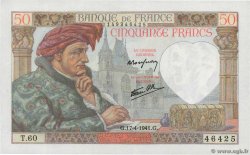
50 Francs JACQUES CŒUR FRANCE 1941 F.19.08 UNC-
90.00 €

COUNTY OF FLANDRE - LOUIS II Double gros ou botdraeger AU/XF
110.00 €
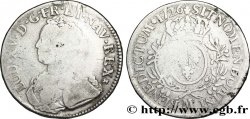
LOUIS XV "THE WELL-BELOVED" Écu aux branches d'olivier, buste habillé 1726 Tou
24.00 €

LOUIS XIII Demi-écu, buste drapé et cuirassé (2e buste de Jean Warin) 1643 P
1400.00 €

LOUIS XIII Écu d'or au soleil, à la croix anillée fleurdelisée 1636 Rouen A
912.00 €
cgbfr.com для нумизматов


