


E-auction 603-574093 - fme_948649 - LOUIS XVI Galvanoplastie, Arrivée du Roi à Paris, tirage uniface

Чтобы принять участие в торгах, вы должны войти в систему и стать подтвержденным участником аукциона. Войдите, чтобы сделать ставку. Ваш аккаунт будет подтвержден в течение 48 часов. Не ждите до закрытия торгов, чтобы зарегистрироваться.Сделав ставку на данный товар, вы вступаете в юридическое соглашение на покупку выбранного товара и нажатием кнопки «Сделать ставку» подтверждаете принятие вами условий интернет-аукционов cgb.fr.
Ставка может бить сделана только в полном эквиваленте евро. Торги закроются согласно времени, указанному в описании товара, все ставки, сделанные после закрытия торгов, учитываться не будут. Не следует откладывать предложение вашей ставки до последнего момента, так как система может не успеть обработать вашу заявку, и ваша ставка не будет принята. Более детальную информацию вы найдёте здесь: FAQ по интернет-аукционам.
БЕСПЛАТНО.
БЕСПЛАТНО.
| Оценить : | 60 € |
| Цена : | 19 € |
| Максимальная предлагаемая цена : | 55 € |
| Конец торгов : | 04 November 2024 20:55:20 |
| Участников : | 8 Участников |
Тип Galvanoplastie, Arrivée du Roi à Paris, tirage uniface
Дата: (1789)
Металл: copper
Диаметр: 89 mm
Ориентация осей монеты: 12 h.
Гравер ANDRIEU Jean-Bertrand (1761-1822)
Вес: 33,57 g.
Век: lisse
Пуансон: sans poinçon
Комментарии о состоянии
Patine hétérogène, quelques taches noires d’oxydation. Large pourtour métallique autour de la médaille
Ссылки в каталоге: :
Лицевая сторона
Аверс: легенда: ARRIVEE DU ROI A PARIS // LE 6 OCTOBRE / 1789.
Аверс: описание: Louis XVI, en voiture avec sa famille, et entouré du peuple qui le conduit de Versailles à Paris, passant sur la place Louis XV. Signé : ANDRIEU. F. et N°.2.
Обратная сторона
Реверс: легенда: INCUS.
Комментарий
La galvanoplastie est une technique d’électrolyse : les objets sont plongés dans un bain. Une réaction chimique fait migrer les électrons et modifie la patine.
Diamètre sans le surplus de métal : 78,50 mm.
Bertrand Andrieu (1761-1822) est né à Bordeaux. À l’âge de 25 ans, il quitte sa ville natale pour Paris où il devient élève de Gatteaux. En 1789, il grave la médaille de la prise de la Bastille. Il est l’auteur des bustes de Napoléon et de Louis XVIII qui sont trouvés si beaux qu’ils servent pour le droit de nombreuses médailles et jetons, associés aux revers d’autres graveurs. Il reste l’un des grands graveurs du Premier Empire.
Ce type avec cette scène mémorable sera largement repris, copié et imité tout au long du XIXe siècle.
Electroplating is an electrolysis technique: objects are immersed in a bath. A chemical reaction causes electrons to migrate and changes the patina. Diameter without excess metal: 78.50 mm. Bertrand Andrieu (1761-1822) was born in Bordeaux. At the age of 25, he left his hometown for Paris where he became a student of Gatteaux. In 1789, he engraved the medal for the storming of the Bastille. He is the author of the busts of Napoleon and Louis XVIII, which were considered so beautiful that they were used for the rights of numerous medals and tokens, associated with the reverses of other engravers. He remains one of the great engravers of the First Empire. This type with this memorable scene was widely reproduced, copied, and imitated throughout the 19th century.
Diamètre sans le surplus de métal : 78,50 mm.
Bertrand Andrieu (1761-1822) est né à Bordeaux. À l’âge de 25 ans, il quitte sa ville natale pour Paris où il devient élève de Gatteaux. En 1789, il grave la médaille de la prise de la Bastille. Il est l’auteur des bustes de Napoléon et de Louis XVIII qui sont trouvés si beaux qu’ils servent pour le droit de nombreuses médailles et jetons, associés aux revers d’autres graveurs. Il reste l’un des grands graveurs du Premier Empire.
Ce type avec cette scène mémorable sera largement repris, copié et imité tout au long du XIXe siècle.
Electroplating is an electrolysis technique: objects are immersed in a bath. A chemical reaction causes electrons to migrate and changes the patina. Diameter without excess metal: 78.50 mm. Bertrand Andrieu (1761-1822) was born in Bordeaux. At the age of 25, he left his hometown for Paris where he became a student of Gatteaux. In 1789, he engraved the medal for the storming of the Bastille. He is the author of the busts of Napoleon and Louis XVIII, which were considered so beautiful that they were used for the rights of numerous medals and tokens, associated with the reverses of other engravers. He remains one of the great engravers of the First Empire. This type with this memorable scene was widely reproduced, copied, and imitated throughout the 19th century.
Историческая справка
LOUIS XVI
(05/10/1774-01/21/1793)
In 1789, events will accelerate and cause the fall of royalty. If on May 5, the King opened the meeting of the States General in front of 1,200 deputies (doubling of the third), in the face of the stagnation of the debates, the Third Estate proclaimed itself in the National Assembly with certain deputies of the two other Orders, the Nobility and the Clergy. On June 20, it is the Oath of the Jeu de Paume of Versailles. On June 23, the King wants to suspend the debates, (intervention of Mirabeau: "we are here by the will of the people, we will only get out by the force of bayonets"). The National Constituent Assembly is formed by the three Orders on July 9. The King dismisses Necker on July 11, but will recall him after the storming of the Bastille on July 14, 1789. Bailly is the first mayor of Paris, appointed on July 15. Following the Great Fear which spreads in the countryside, on the night of August 4, it is the abolition of privileges and feudal rights. The Declaration of the Rights of Man and of the Citizen is voted on August 26, 1789.
 Cообщить об ошибке
 Распечатать страницу
 Отправить мой выбор
 Задать вопрос
 Consign / sell
ПОХОЖИЕ ТОВАРЫ
 Информация


Your Recently Viewed Items
50 Francs SAINT-EXUPÉRY modifié FRANCE 1994 F.73.01d UNC-
9.00 €

25 et 50 Piastres Petit numéro LEBANON 1942 P.036 et 037 UNC
2000.00 €
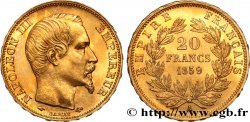
20 francs or Napoléon III, tête nue 1859 Paris F.531/15 MS63
420.00 €

Deux centimes Napoléon III, tête laurée 1862 Bordeaux F.108A/7 MS65 PCGS
110.00 €

2 francs Napoléon III, tête laurée 1866 Strasbourg F.263/3 VG
6.00 €

LOUIS XVI Galvanoplastie, Arrivée du Roi à Paris, tirage uniface AU
19.00 €
cgbfr.com для нумизматов


